
HIV and PrEP
In 2023, 714 people were diagnosed with HIV in Maryland (1). Of those, 23% of them were diagnosed in Baltimore, with Black women accounting for approximately 60% of all diagnosed women (2). Most women who are diagnosed with HIV acquire it through heterosexual contact (3). Thus, it’s extremely important that Black women living in Baltimore take care of their sexual health. This can look like regularly using condoms when engaging in sex or using pre-exposure prophylaxis (PrEP), an HIV-preventative option that can decrease the risk of infection by up to 99% (4).
PrEP can either be taken as daily pills or bimonthly injections (5), with mild side effects such as a loss of appetite, nausea, or headaches (4). You can use PrEP if you are sexually active, irregularly use condoms, have been diagnosed with another STD within the last 6 months, or simply because you want to (6)!

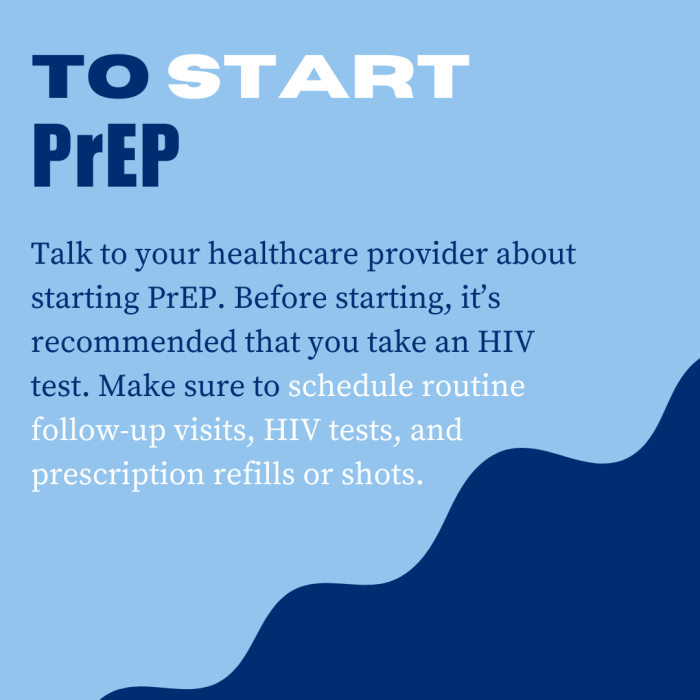
If you’re interested in PrEP, check out this PrEP locator to find PrEP-providing clinics near you. The MOCHA Lab as also trained Baltimore-specific clinics in providing PrEP to Black women. These clinics include:
- Chase Brexton
- Baltimore City Health Department – Sexual Health Clinic
- John G. Bartlett Specialty Practice – HIV Women’s Health Program
- University of Maryland Medical Center
If you are worried about affording PrEP, there are PrEP payment assistance programs for people who are both insured and uninsured.
To learn more about HIV in the Black community, watch OWN’s Black America’s Silent Epidemic, in which they investigate the social and economic forces that drive the HIV epidemic in the Black community.
 M.O.C.H.A. Lab